
Most financial losses aren’t caused by a major breakdown. They usually stem from small, routine inefficiencies that have become normalized. For example, extra steps in a process, workarounds, unclear responsibilities, and a lack of training can all seem harmless in isolation. But over time, these issues drain labor budgets, increase operational costs, and reduce productivity.
Here’s how small process improvements benefit organizations by eliminating big problems at the root.
Precision in daily work protects profits
In many industries, profitability depends on how precisely work is completed. In some cases there’s no margin for error and one small mistake can cost hundreds or thousands of dollars. When tasks are performed correctly, everything moves faster and errors are less common. The goal is to get people to understand how to do their work efficiently and then costs fall naturally.
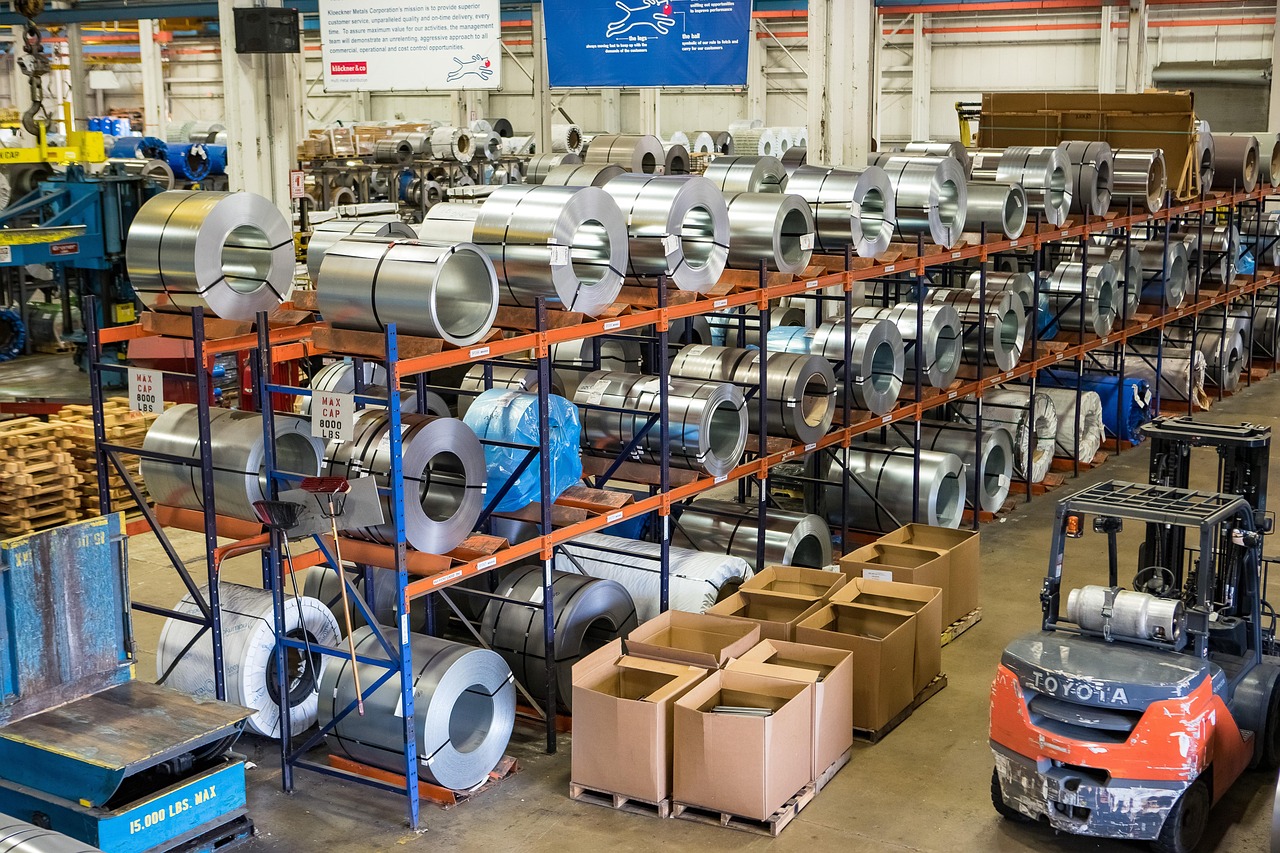
Getting to this point requires strong training, especially in environments like warehouses where trained operators need to move product fast. In this case, even modest investments – like online forklift certification – can reduce product damage, delays, and downtime.
Errors are costly because they trigger rework and make customers unhappy. Studies show that operator error is a leading cause of operational loss across industries, including warehouses. Training can improve speed and efficiency without sacrificing quality. Well-trained workers get their tasks done faster because they aren’t stuck correcting mistakes or guessing when nobody’s available to help. Fewer errors lead to fewer incidents that cause injuries and operational downtime.
Streamlined processes reduce wasted labor
Unnecessary movement is one of the most common forms of inefficiency in any business. Whether it’s people wandering through a maze of workstations, equipment moving between locations, or information that has to be sent through multiple approval layers. Excess travel adds labor costs without increasing value to the company.
Shortening paths between tasks eliminates wasted time and lowers fatigue. When tasks can be completed faster, output increases and there’s less wear and tear on equipment. Saving just seconds per task can turn into hours when repeated over time.
Clean handoffs prevent delays
Some inefficiencies happen between tasks during the handoff stage. When it’s not clear who’s responsible for taking the next step, work stalls or ends up being done twice.
Having defined handoffs reduces waiting time and avoids the constant questions that require involving multiple people, taking them away from their daily tasks. More importantly, having clear documentation regarding all processes prevents inefficient handovers when employees are trained to refer to the documentation first.
Small incidents of equipment misuse create long-term costs
Equipment misuse can have a substantial financial impact over time. And that misuse doesn’t need to be dramatic. Being too rough, using equipment incorrectly, and ignoring maintenance needs can all lead to increased repair costs and unplanned downtime. Improper use accelerates wear, small issues become major failures, and unnecessary use increases required maintenance.
Simplified, standardized processes reduce errors and costs
Complex processes only increase mistakes. When people need to remember a large list of exceptions, workarounds, or undocumented steps, mistakes are unavoidable. Simplifying processes increases both speed and accuracy, which avoids unnecessary costs.
With simple processes, new employees get trained faster and workers experience less mental fatigue. When processes are simple and clear, workers are more likely to follow them.
Fixing small inefficiencies supports growth
Eliminating inefficiencies is the first step to creating the efficient, standardized processes needed for growth. Businesses that scale successfully lock in the most efficient way to do things and repeat that without deviation. Standardized systems reduce training time and avoid workarounds that derail productivity.
When tasks are performed the same way everywhere, training materials can be reused and new hires become productive faster. Standardized processes create repeatable outcomes and that makes it easier to forecast costs, regardless of location. This level of predictability is required for expansion, and it all starts with fixing those tiny inefficiencies that don’t seem like a big deal.
Small improvements compound over time
The power of small process improvements compounds with time. Each small fix supports the next. These gains aren’t dramatic but they do improve margins. They produce incremental gains over time and teams that see results from these changes are more likely to continue to refine their processes.
Small fixes produce lasting results
The biggest savings come from fixing small inefficiencies that people have learned to tolerate and work around. Clarifying processes, reducing unnecessary movement, improving handoffs, and minimizing rework can produce measurable gains when applied consistently.
Businesses that focus on eliminating small points of friction build operations that experience fewer breakdowns and are much easier to scale. Small fixes strengthen margins, increase output without increasing labor costs, reduce errors and costly downtime, and make operations more predictable.
Photo Credit
Image by Jonathan from Pixabay
Guest Author Bio
Jamie Lansley
Jamie is a freelance writer who covers trends in business, technology, and health. She loves to go skiing, camping, and rock climbing with her family.
Recent Guest Author Articles:
- How Small Process Improvements Create Big Financial Wins
- Beyond the Finish Line: What It Means to Compete with Compassion
- There Was A Time
- I Think We’re Going to Be Okay
- Where Art Begins in Silence: How Meditation Shapes Creativity

Please Share Your Thoughts - Leave A Comment!